The quiet architecture of light
How a handful of architects learned to build with daylight instead of against it.

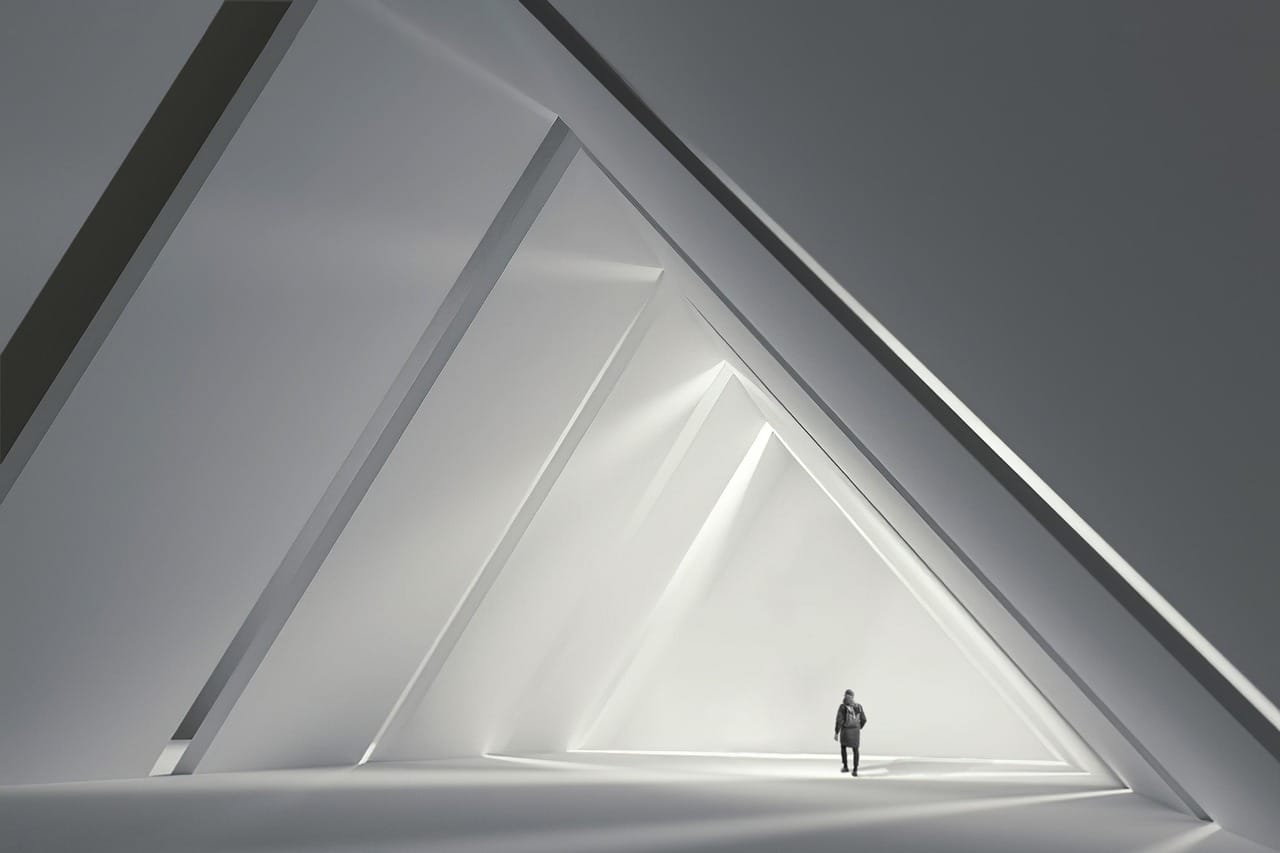
The first time I noticed it was in a church in Ronchamp. Not the building itself, but the way the light arrived: late, sideways, and in no hurry at all. It came through small, deep windows cut at odd angles, and each one threw a different colour onto the white wall.
Architects have always talked about light, but the ones I spent this summer with talk about it the way gardeners talk about weather. It is not a finish you add at the end. It is the material you design around first.
Designing for the hour, not the room
Most buildings are drawn at noon. The sun is high, the shadows are short, and every render looks clean. The architects I met start somewhere else: a winter morning, a wet afternoon, the hour after dinner when the kitchen empties out.
“You cannot own daylight. You can only make a good place for it to land.” — Lena Ström, architect
That idea changes the drawings. Windows get smaller and deeper. Walls get thicker so they can hold a glow for longer. Ceilings slope toward the light instead of away from it.

What we can borrow
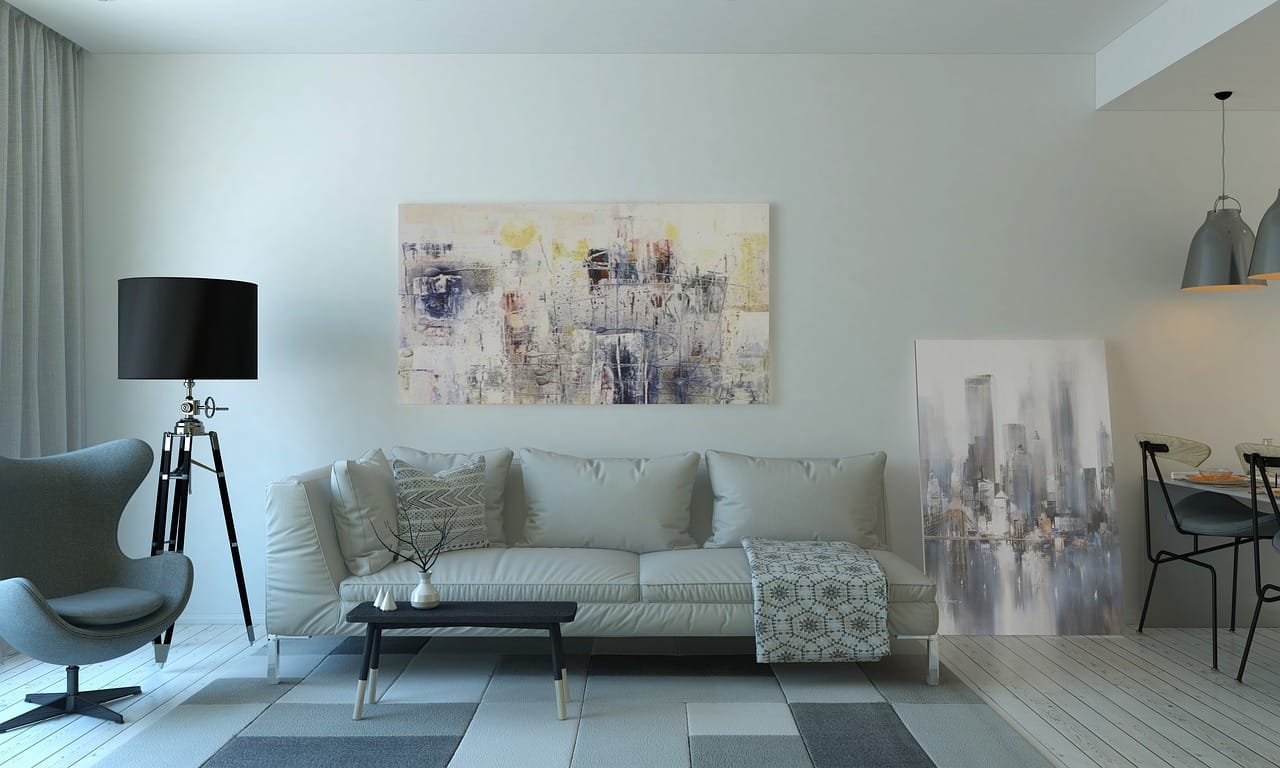
You do not need a new house to use any of this. Move the reading chair to the window you ignore. Take down the blind that is always half closed. Let one room be dim on purpose, so the bright ones feel brighter.

The best rooms I saw this summer were not the most expensive. They were the ones where someone had paid attention to the hour.